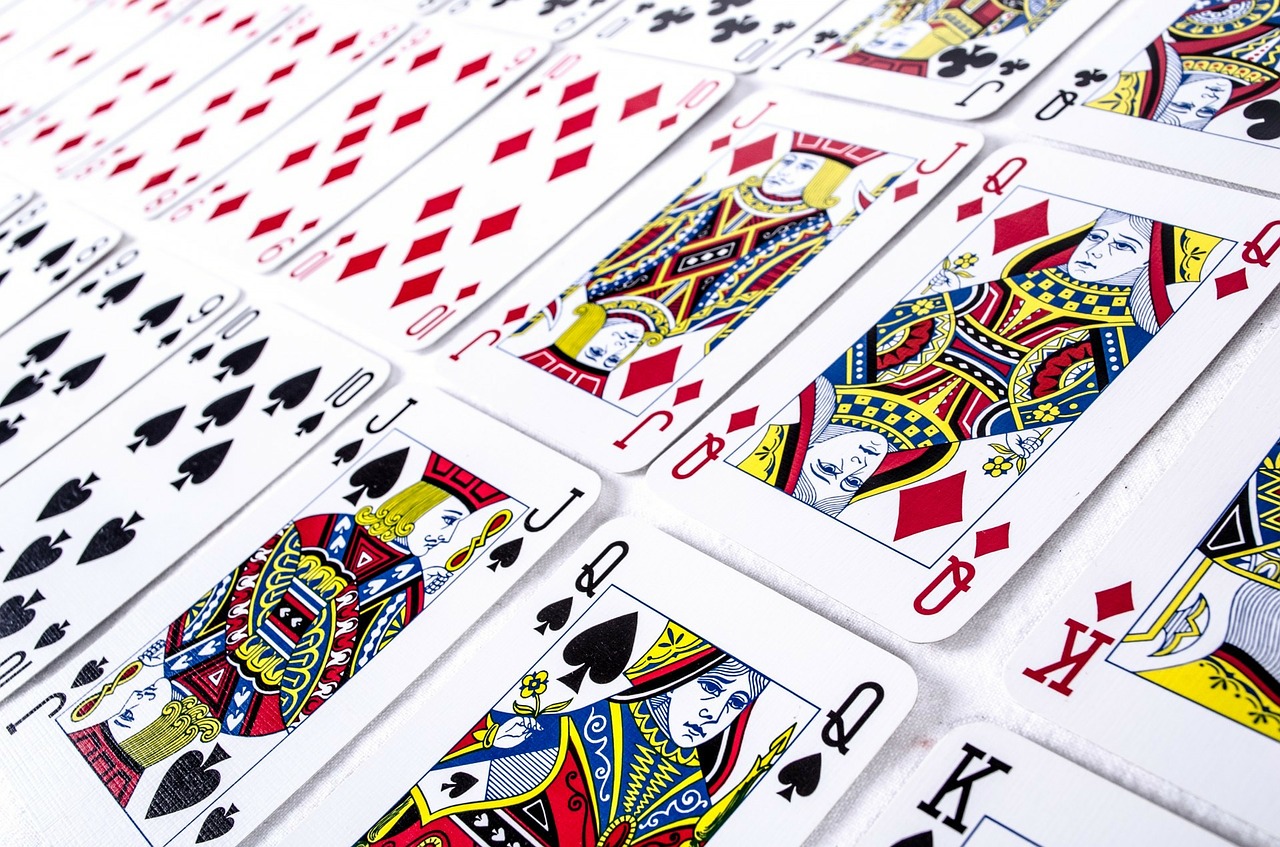
Complete ring poker tables, typically seating 9 or 10 gamers, offer a fairly foreseeable and slow paced environment. For years, standard strategy determined having fun extremely limited, waiting on premium beginning hands, and exploiting gamers that expanded restless. However, the modern poker landscape has moved significantly towards brief handed video games. Typically specified as tables featuring 6 gamers or less, often described as 6 max, brief handed poker totally changes the characteristics of the video game.
When you shift to a brief handed style, you can no much longer afford to kick back and wait on pocket aces or kings. The blinds roll about a lot much faster, meaning a easy strategy will quickly drain your chip pile. To master this environment, you must change your ranges, accept aggression, and learn how to read individual gamer propensities with high accuracy. Ending up being an experienced professional at brief handed tables requires a deep understanding of architectural changes, psychological stress, and advanced post flop maneuvers.
The Architectural Reality of Less Gamers
The essential distinction in between complete ring and brief handed poker is the outright elimination of very early settings. At a 9 handed table, the first 3 gamers to act must emulate a huge quantity of family member risk behind them. At a 6 max table, the under the weapon position is equivalent to the lojack or pirate position in a complete ring video game.
Because there are less gamers left to act behind you, the mathematical possibility that someone holds a costs hand reduces significantly. This reality forces you to broaden your beginning hand choice throughout every solitary seat. A hand such as ace 10 offsuit or king queen offsuit, which may be an easy fold under the weapon in a 9 handed video game, becomes an obligatory opening up raise in a brief handed video game.

Additionally, the monetary impact of the blinds increases significantly. In a complete ring video game, you pay the small and big blinds two times every eighteen hands. In a 6 max video game, you pay them two times every twelve hands. This enhanced blind stress makes easy play mathematically unviable over the lengthy run.
Positional Supremacy and Open up Increasing Strategies
In brief handed poker, positional benefit becomes highly magnified. Running with the switch or cutoff seat gives you the supreme tactical take advantage of because you’ll reach act last on every solitary post flop wagering rounded. Experienced pros use this to put in ruthless stress on the gamers being in the blinds.
The Switch and Cutoff Attack
When the activity folds up to you in late position, your opening up range should expand significantly. On the switch, a professional gamer will often open up raise anywhere from 40 percent to half of all feasible card mixes. This range consists of fit ports, weak fit aces, and broadway cards. The objective is simple: win the blinds uncontested, or force the gamers in the blinds to play a puffed up pot from position versus you.
Protecting the Big Blind
On the other hand, because late position gamers are increasing with wide and often weak ranges, you cannot simply fold your big blind to every raise. Protecting your big blind requires a blend of calls with hands that play well post flop, such as fit gaps and connected cards, and executing 3 wagers, which is a re raise before the flop. A 3 wager forces the initial raiser to either fold their weak holding or call and play a huge pot without the safeguard of a costs hand.
Accepting Calculated Pre Flop Aggression
Passivity is a crucial mistake in brief handed poker. If you’re the first gamer to enter the pot, you should often do so with a raising. Open up limping, which means simply calls the quantity of the big blind, indicates weak point and gives the gamers behind you a chance to raise and separate you, or see an inexpensive flop with an extremely speculative hand.
Aggression provides you with 2 unique ways to win a hand: you can either make the best hand by the face-off, or you can force your challengers to fold before the face-off. This idea is known as fold equity. In brief handed video games, where gamers seldom hold solid made hands, maximizing your fold equity is the key to preserving a healthy and balanced, expanding chip pile.
An important tool in a pros arsenal is the light 3 wager. This involves re increasing pre flop with hands that are not premium but have excellent obstructing residential or commercial homes, such as ace 5 fit or king 9 fit. Holding an ace obstructs your challenger from holding mixes of pocket aces or ace king, production it statistically a lot more most likely that the re raise will force a fold.
Post Flop Maneuvers and C Wagering Truths
Because beginning ranges are so wide, most of brief handed pots involve gamers missing out on the flop totally. Statistically, an unpaired hand will just hit a set or better on the flop about one 3rd of the moment. This means that post flop play becomes a high risks psychological fight of that can stand for the board most convincingly.
The Extension Wager
A extension wager, or c wager, occurs when the gamer that made the last hostile activity before the flop proceeds banking on the flop. In brief handed poker, c wagering is an effective device, but it must be used precisely. Versus an challenger that folds up often, a high regularity c wager strategy is highly lucrative. However, on highly coordinated boards that are most likely to have gotten in touch with a protectors range, you must learn how to inspect back and control the dimension of the pot.
Drifting and Bluff Increasing
As an experienced gamer, you’ll also face challengers that c wager non-stop. To respond to this, you must implement drifting, which means calls a flop wager with the specific intention of taking the pot on a later on road such as the transform or river when your challenger shows weak point by inspecting. Furthermore, bluff increasing on the flop with solid backdoor attracts allows you to take control of the hand and force your challenger off their limited one set holdings.
Changing to Gamer Accounts and Exploitative Characteristics
Brief handed poker reduces the sound of the table, requiring you to participate in direct, duplicated conflicts with the same handful of people. This vibrant makes gamer monitoring and psychological profiling extremely valuable. You must classify your challengers quickly and change your strategy to make use of their specific defects.
The Limited Easy Gamer: These gamers have cannot adapt to the brief handed style. They still play limited ranges and seldom raise. Versus them, you should steal their blinds non-stop and fold whenever they show unexpected aggression.
The Loosened Easy Gamer: Often called calls terminals, these gamers play too many hands and choose not to fold post flop. Never ever attempt to bluff a loosened easy gamer. Rather, broaden your worth wagering range, production bigger wagers with top set or great kicker mixes.
The Active Hostile Gamer: These challengers raise and re raise constantly, attempting to bully the table. To respond to them, you must tighten up your beginning requirements slightly, let them blast off their chips right into your solid hands, and catch them by inspecting your worth hands instead compared to wagering out.
Managing Bankroll Volatility and Psychological Ton of moneys
The mathematical variance in brief handed poker is significantly greater compared to completely ring video games. Because you’re having fun wider ranges, participating in more bluffs, and having fun bigger pots typically, your bankroll will experience huge swings. A strategy that’s highly lucrative over an example dimension of one hundred thousand hands can still experience serious downswings over a solitary week.
To survive these swings such as an experienced professional, you must practice stringent bankroll management. While a complete ring gamer may be comfy with twenty or thirty buy ins for a specific risk, a brief handed expert should preferably maintain forty to fifty buy ins to take in the all-natural volatility without facing the risk of ruin.
Equally important is preserving psychological control, or preventing turn. The fast paced nature of 6 max poker means you’ll face difficult choices and bad defeats at a fast rate. Acknowledging when psychological aggravation is clouding your rational choice production process, and having actually the self-control to stroll far from the table, is what really divides an experienced professional from an amateur gamer.
Often Asked Questions
How should my pile dimension affect my brief handed strategy?
When having fun with deep heaps of one hundred big blinds or more, suggested worth hands such as pocket sets for set mining and fit ports gain considerable worth because you can win huge pots post flop. If you’re having fun with a brief pile of forty big blinds or much less, your strategy must shift towards pre flop done in take advantage of, focusing on high card stamina such as ace jack and pocket sets that can recognize their equity quickly.
Is it ever appropriate to open up limp at a brief handed table?
Almost never ever. Open up limping surrenders the effort, allows the blinds to see a free flop with arbitrary cards, and prevents you from winning the pot pre flop. The just unusual exemption occurs in advanced competition play when pile dimensions are very superficial, or from the small blind when finishing the wager right into a easy big blind with a well balanced strategy.
How do I change my play when the table drops from 6 gamers to 3?
As the table becomes also much shorter, your beginning hand requirements must expand significantly once again. In a 3 handed video game, a king or a queen high hand can often be the best hand pre flop. The switch becomes an extremely effective seat, and you should be increasing a large bulk of your energetic hands to determine the speed of the video game.
What is the distinction in between a worth wager and an obligatory bluff in brief handed play?
A worth wager is a wager put with the assumption that a even worse hand will call you, maximizing your profit when you hold the best cards. An obligatory bluff occurs when the structure of the board changes significantly, enabling you to stand for an extremely specific solid hand that obstructs your challengers calls range, requiring them to surrender an exceptional limited hand.
How do I handle a gamer that regularly 4 wagers my pre flop 3 wagers?
Versus an challenger that 4 wagers strongly, you have 2 primary modifications. You can either tighten up your 3 wagering range to consist of just premium hands that more than happy to obtain all the contribute pre flop, or you can develop a 5 wager bluffing range using hands containing card blockers such as ace 4 fit.
Why are fit ports much less valuable in brief handed cash video games compared to completely ring video games?
Fit ports depend greatly on multi way pots and deep suggested chances to be highly lucrative. In brief handed video games, pots are often played goings up and strongly objected to pre flop. This means high card stamina and immediate raw equity become much more critical compared to the long-term drawing potential offered by reduced fit ports.
Should I use various wager sizing at a brief handed table compared with a complete ring table?
Yes. In brief handed video games, professional gamers often decrease their pre flop open up raise dimensions slightly, using 2 to 2 point 5 times the big blind instead compared to 3 times. This smaller sized sizing allows you to open up a a lot wider range of hands profitably while running the risk of less total chips when you face a re raise from the blinds.